Manufacturing Transformation With AI
Nov 20, 2025
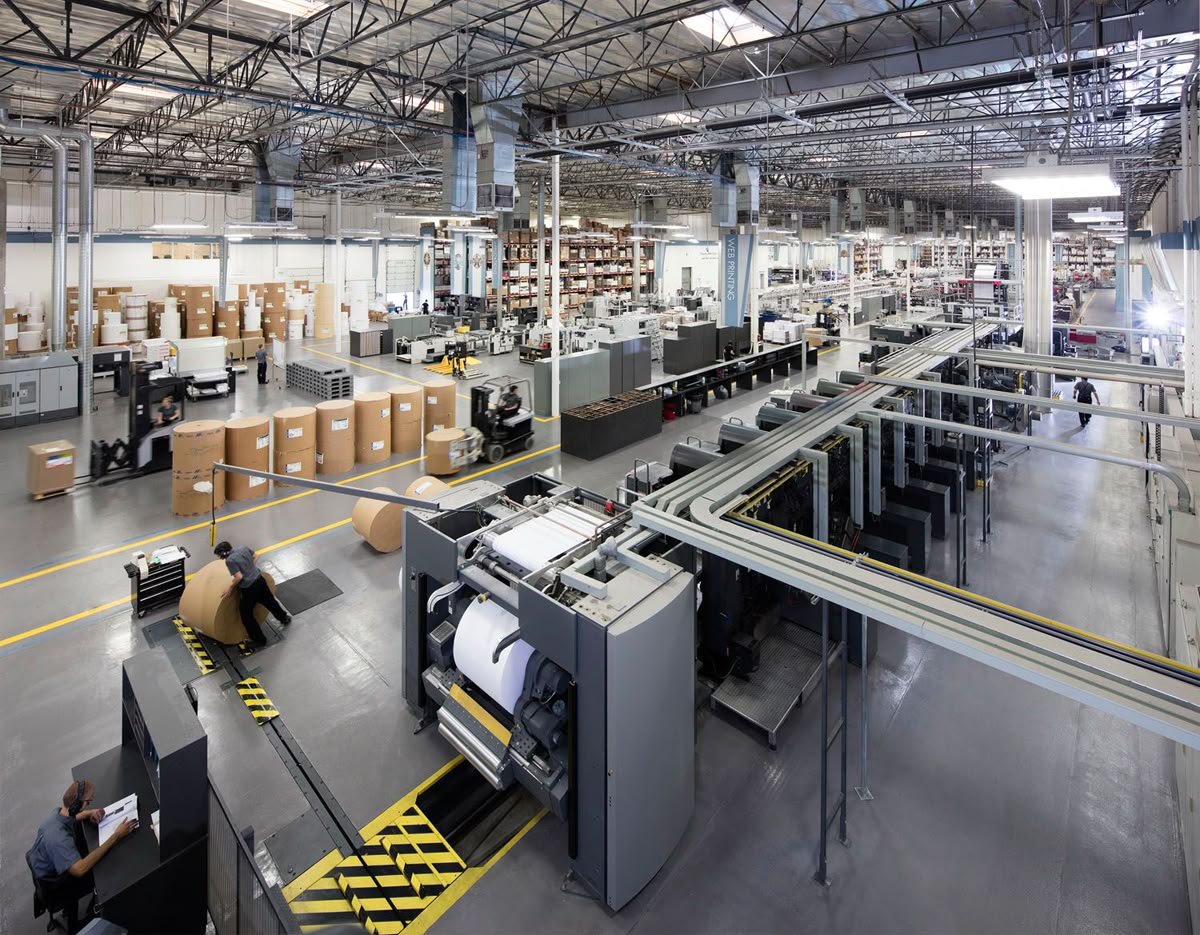
A strategic look at how AI is transforming manufacturing by boosting efficiency, reducing downtime, and improving quality across complex industrial environments.
Artificial intelligence is rapidly becoming the backbone of industrial competitiveness. As factories face rising pressure from aging equipment, volatile supply chains, labor shortages, and tighter production cycles, AI is emerging as the most powerful lever for sustaining efficiency, uptime, and product quality.
Manufacturing is no longer defined solely by physical machinery. Companies that adopt AI are moving closer to the vision of Industry 4.0: fully connected, responsive, and self-optimizing production environments.
A Sector Under Intensifying Pressure
Manufacturers today operate under complex and often conflicting constraints. Margins are tight, production assets are aging, and the labor gap continues to widen as experienced technicians retire faster than new talent enters the field. At the same time, global supply chain disruptions and fluctuating energy and raw material costs have introduced new volatility into operational planning.
These pressures make reliability, energy efficiency, and process precision not optional but essential. Extending asset life, minimizing waste, and reducing unplanned downtime have become strategic priorities, not just operational goals.
With the average cost of industrial downtime reaching significant levels and the shortage of qualified workers accelerating, manufacturers are being pushed to rethink how plants operate. AI fills this gap by bringing predictive, autonomous, and data-driven capabilities to the shop floor.
Responding to a New Demand Landscape
Demand has shifted dramatically. Customers expect faster delivery, higher customization, and flawless quality. Large-batch rigidity has been replaced by flexible production requirements, where factories must quickly switch between SKUs, materials, and specifications without compromising efficiency.
Traditional systems struggle to keep up with this level of variability. AI, however, thrives on it. By analyzing real-time signals from machines, sensors, and production lines, AI can optimize parameters on the fly, detect early signs of variation, and maintain quality regardless of changing conditions. This intelligence is what enables factories to respond quickly while keeping costs under control.
The rise of sustainability priorities also plays a role. Many manufacturers are already adopting AI to optimize energy consumption, reduce emissions, and minimize material waste - core components of modern ESG strategy.
Where AI Delivers the Most Impact
AI is reshaping manufacturing by directly addressing its most costly and operationally critical challenges.
Predictive Maintenance
Machine learning models analyze vibration, temperature, acoustic signatures, and historical patterns to predict equipment failures before they occur. This prevents emergency shutdowns, reduces maintenance costs, and significantly increases uptime.
Automated Quality Control
Computer vision systems detect microscopic defects, classify anomalies, and ensure every product matches the required standard. These systems outperform manual inspection in both speed and precision while greatly reducing the cost of rework, returns, and warranty claims.
Process Optimization
Digital twins and advanced simulation models allow factories to test new configurations, adjust production parameters, and optimize line flow without interrupting operations. The result is higher throughput, reduced waste, and greater consistency.
Intelligent Supply Chain Management
AI forecasts demand, identifies risks in supplier networks, and adjusts inventory and production plans in real time. This helps manufacturers avoid stockouts, mitigate delays, and reduce excess inventory.
Real-World Transformations Across the Industry
Leading industrial players are already demonstrating what AI-driven factories look like.
Autonomous Production
Plants such as Siemens’ facilities in Germany and Foxconn’s operations in Asia leverage AI for machine-to-machine coordination. When one station slows down, the system redistributes workload automatically to maintain continuity with minimal human intervention.
Advanced Visual Inspection
Automotive manufacturers like BMW use AI to compare each component to a “golden standard,” detecting deviations in milliseconds. This not only reduces human workload but dramatically increases consistency across high-volume production.
Generative Design
Manufacturers such as General Motors use AI-driven generative algorithms to create lighter, stronger components. This reduces material usage, improves performance, and lowers long-term manufacturing costs.
These examples illustrate a broader shift: factories are evolving from static systems into intelligent, adaptive environments capable of learning, predicting, and self-adjusting.
The Hidden Barriers Manufacturers Must Overcome
Although AI brings transformative potential, deploying it in industrial settings is uniquely challenging.
Fragmented and Legacy Data
Factories often rely on equipment that pre-dates cloud computing. Machines may not communicate with each other or with enterprise systems, making data integration a major hurdle. Without unified, clean datasets, AI models struggle to perform accurately.
Cultural Resistance
Many operators and managers initially view AI as a threat or added complexity. Moving from reactive maintenance (“fix when it breaks”) to predictive approaches requires a deep cultural and organizational mindset shift.
Connectivity and Latency Constraints
Manufacturing environments require decisions to be made in milliseconds. AI must operate at the edge because any delay can affect quality, speed, or safety. This demands robust industrial networks and modernized OT/IT integration.
Scaling Beyond Pilots
Most AI projects perform well in controlled pilot environments but fail when deployed across an entire plant. Standardization, data governance, and reliable infrastructure are essential to avoid fragmentation and inconsistent results.
The statistics reflect this reality: a majority of industrial AI initiatives fail before reaching production, often due to data complexity, insufficient skills, or infrastructure gaps.
AI as the New Competitive Infrastructure for Manufacturing
Artificial intelligence is redefining what operational excellence means in a modern factory. It reduces unplanned downtime, improves energy efficiency, enhances product quality, and increases throughput—all while enabling unprecedented adaptability.
For manufacturers, embracing AI is no longer about chasing innovation; it is about securing competitiveness in a world that demands faster production, higher precision, and lower tolerance for errors.
Factories that adopt AI will operate with greater stability, intelligence, and resilience. Those that delay will face rising costs, growing inefficiencies, and widening capability gaps in a market that rewards speed, flexibility, and consistency.